

What goes into a brand strategy, and what you get at the end
Brand strategy can sound vague, and a lot of what gets sold under that name is vague. In our work it is simple. It is the set of decisions about who you are for, what you stand for and how you sound, made before anyone opens a design file.

By Saurabh Khatri, founder of The Brand Odyssey
13 November 2026, 3 min read
Questions people ask us
How long does a brand strategy take?
For most small and mid-sized businesses it takes a few weeks, depending on how quickly we can speak to the right people and agree on decisions.
Do small businesses need a brand strategy?
Yes, but it can be light. Even a few pages of clear decisions about audience, positioning and tone will save time and money on every design and marketing task that follows.
Is brand strategy the same as marketing strategy?
No. Brand strategy decides who you are and how you show up. Marketing strategy decides how you reach people and which channels and campaigns you use. The marketing plan works better when the brand strategy is settled first.
Keep reading
Branding, 3 min read
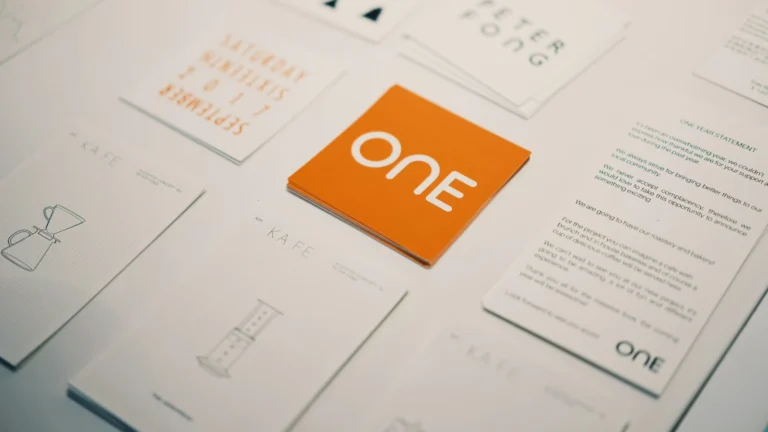
What goes into brand guidelines, and why your team needs them
What a set of brand guidelines covers, from logo use, colours and fonts to tone of voice, and how it keeps your brand consistent as you grow.
Branding, 3 min read
Branding a new sports league? What we learned from the Maharashtra Premier League
What it takes to brand and market a brand-new sports league, from identity to matchday content, with lessons from the first season of the Maharashtra Premier League.
Branding, 3 min read
Does your business need a rebrand? Seven signs worth taking seriously
Seven signs that your business has outgrown its brand, how to tell whether you need a full rebrand or a refresh, and what a rebrand usually involves.