The Brand Odyssey

BlogBranding

What goes into a brand strategy, and what you get at the end

Brand strategy can sound vague, and a lot of what gets sold under that name is vague. In our work it is simple. It is the set of decisions about who you are for, what you stand for and how you sound, made before anyone opens a design file.

By Saurabh Khatri, founder of The Brand Odyssey
13 November 2026, 3 min read
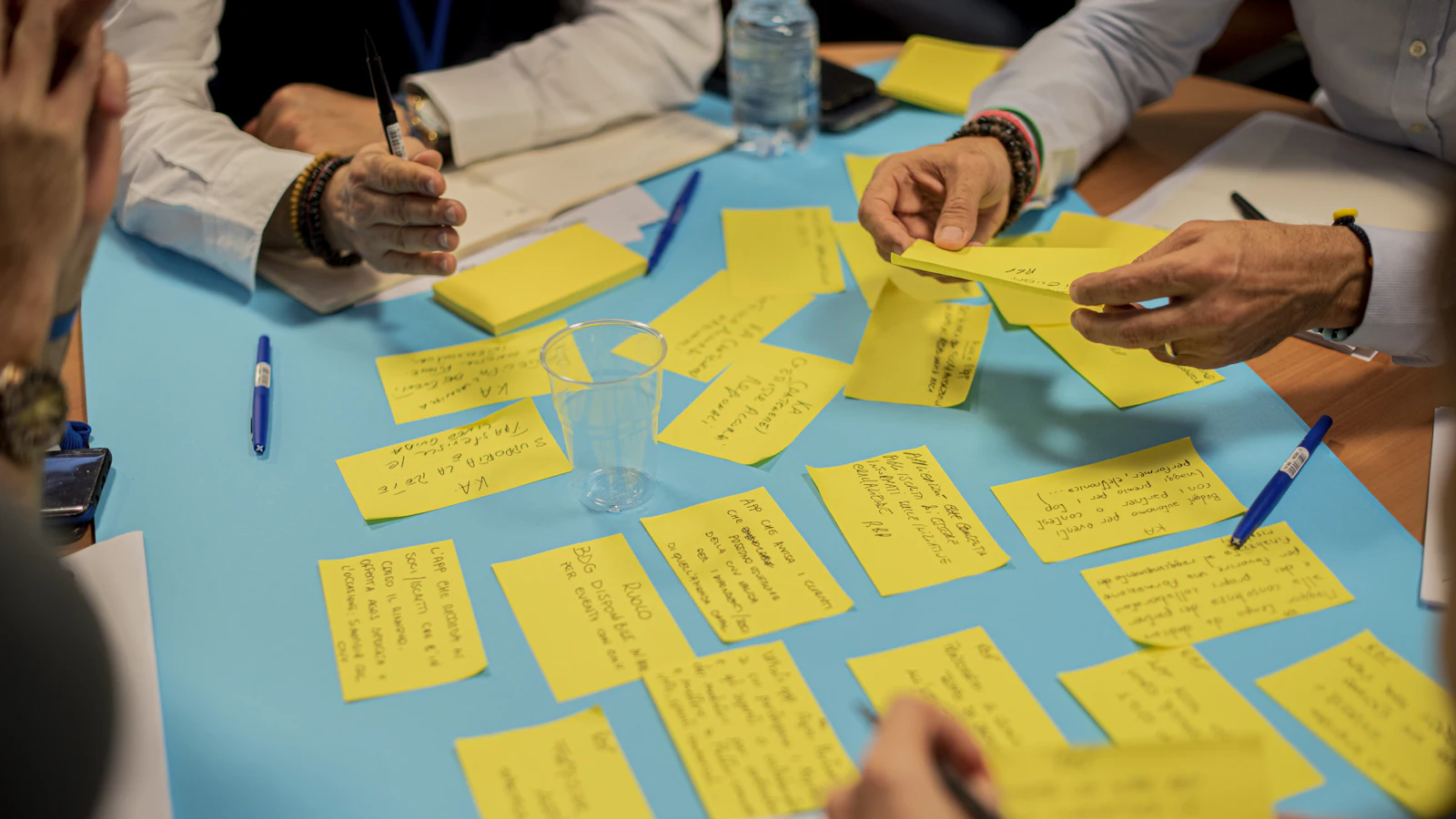
Team sorting sticky notes during a strategy workshop

Why strategy comes before design

We often say a brand is a business decision before it is a creative one. A logo can look beautiful and still be wrong for the business, because nobody agreed on who it was meant to attract or what it should say.

Strategy gives everyone, from the founder to the designer to the person writing Instagram captions, the same brief. It also makes design reviews easier, because you can judge work against agreed decisions instead of personal taste.

The questions we ask first

We start with the business, not the brand. What do you sell, to whom, and why would they pick you over the option next door or on the next tab? Where do you want the business to be in three years? What has worked so far, and what has not?

We also talk to the people closest to customers. Owners, sales teams and service staff usually know exactly why people buy, even if it has never been written down.

Audience and the job your brand does for them

Next we describe the people you want more of, in plain words. Not just their age and city, but what they care about, what worries them before buying, and what would make them trust you quickly.

For a villa in Bali, that might be a family that wants privacy and needs to be sure the photos are real. For a new restaurant, it might be a group of friends looking for somewhere that feels worth the trip.

Positioning in one honest sentence

Positioning is the short, clear answer to why you, and it should be specific enough that a competitor could not say the same thing. If it fits everyone, it is not positioning yet.

We usually write several versions, test them against real examples, and keep cutting until one sentence feels true to the team and useful to customers.

Personality and tone of voice

Then we decide how the brand behaves. Is it warm or formal, playful or calm, bold or quiet? We turn this into simple guidance with examples of what to say and what to avoid, so your website, menus, emails and social posts all sound like the same business.

This part matters more than people expect. Most brands are seen far more often in words than in logos.

What you get at the end

At the end you should have a short document that people will actually read. Ours usually covers the business goals, the audience, the positioning, the brand personality, key messages and tone of voice, plus the direction for the visual identity that follows.

It becomes the brief for the logo and brand identity, the website and the launch. If you are unsure how strategy differs from identity work, our article on logo vs brand identity explains the difference.

Questions people ask us

How long does a brand strategy take?

For most small and mid-sized businesses it takes a few weeks, depending on how quickly we can speak to the right people and agree on decisions.

Do small businesses need a brand strategy?

Yes, but it can be light. Even a few pages of clear decisions about audience, positioning and tone will save time and money on every design and marketing task that follows.

Is brand strategy the same as marketing strategy?

No. Brand strategy decides who you are and how you show up. Marketing strategy decides how you reach people and which channels and campaigns you use. The marketing plan works better when the brand strategy is settled first.

Planning a new brand or a rebrand?

Tell us what you are working on. Book a call or send a short brief, and we will come back with how we would approach it.